Key points
- Attackers manipulated internet-connected refrigeration systems in hundreds of French supermarkets.
- Temperatures were pushed to 50 degrees Celsius, causing food loss, melted equipment, and fires.
- The intrusion targeted aging devices that are no longer supported by their manufacturers.
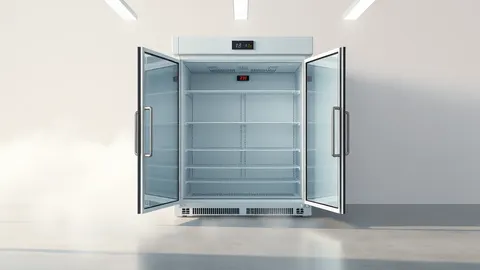
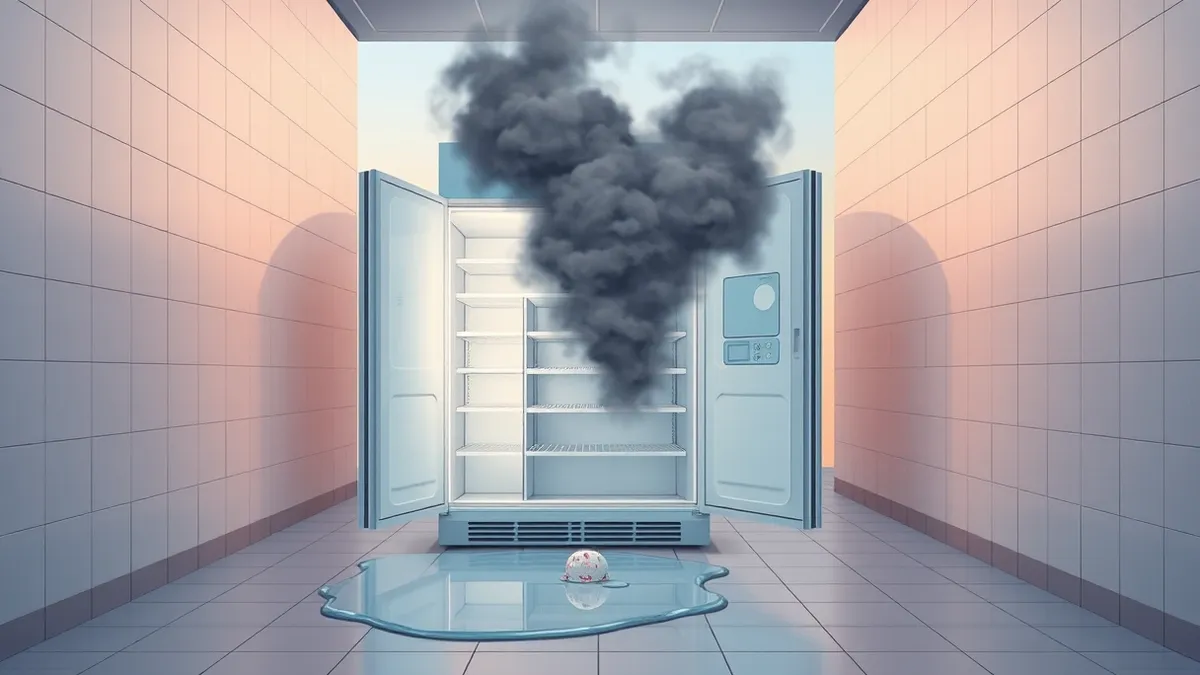
Hundreds of French supermarkets suffered significant inventory losses after attackers remotely manipulated internet-connected refrigeration systems. According to The Cyber Express, retailers confirmed on Monday that intruders raised freezer and fridge temperatures to 50 degrees Celsius while stores were closed. This extreme heat caused tonnes of food to perish, melted some equipment, and sparked fires in several locations.
In plain English
The attackers did not use a new software exploit to breach these systems. Instead, they targeted aging connected devices that remained online years after their manufacturers stopped providing support. French TV channel BFM reported that the intruders appeared to trigger a forced defrost option. This action kept the units heating rather than cooling, effectively turning freezers into ovens.
The background
This incident follows earlier reports of similar disruptions. As Vuln Post reported on 2026-10-13, attackers allegedly manipulated cooling unit temperatures in French stores, causing food spoilage. Reports at that time suggested similar incidents may have occurred in the Netherlands. The current roundup from The Cyber Express highlights that these attacks caused physical damage and operational disruption beyond simple data theft.
What changes now
Retailers are dealing with the immediate aftermath of spoiled stock and damaged infrastructure. The incident underscores the risks of keeping legacy IoT devices connected to corporate networks. Because the targeted devices are no longer supported, vendors cannot provide security patches or updates. Organizations must now assess their exposure to similar unsupported hardware and consider isolating or replacing these critical control systems.
Who needs to act first
Security operations teams should prioritize identifying legacy IoT devices that control physical infrastructure. Check network segments for equipment that has reached end-of-life status. Isolate unsupported devices from the main corporate network to limit remote access. Verify that critical control systems are not exposed to the internet. Review access logs for unusual configuration changes, such as forced defrost cycles. Ensure backup cooling methods are available in case of system failure.
What to do and how to stay safe: IoT
- Audit all internet-connected refrigeration and climate control devices for end-of-life status.
- Segment legacy IoT devices from critical business networks to restrict remote access.
- Monitor system logs for unexpected temperature changes or forced defrost commands.
- Develop incident response plans for physical infrastructure failures caused by cyber intrusions.
Step-by-step guide: DDoS Protection: 8 FAQs on Mitigation and Architecture
General security guidance from the Vuln Post newsroom. It is not confirmed advice from the organisations named in this story.
Frequently asked questions
What specific action did the attackers take to damage the freezers?
Attackers triggered a forced defrost option, which kept units heating instead of cooling.
Did the attackers use a new vulnerability to breach the systems?
No, the attack targeted aging devices that were no longer supported by their manufacturers.
How high did the temperatures rise in the affected supermarkets?
Temperatures were pushed as high as 50 degrees Celsius (122F) while stores were closed.