Key points
- Three Yandex data centers in Vladimir, Ryazan, and Kaluga were targeted by drones.
- Services including Yandex Cloud, payments, and AI training infrastructure are disrupted.
- The company reports operating in emergency mode with unstable remaining infrastructure.
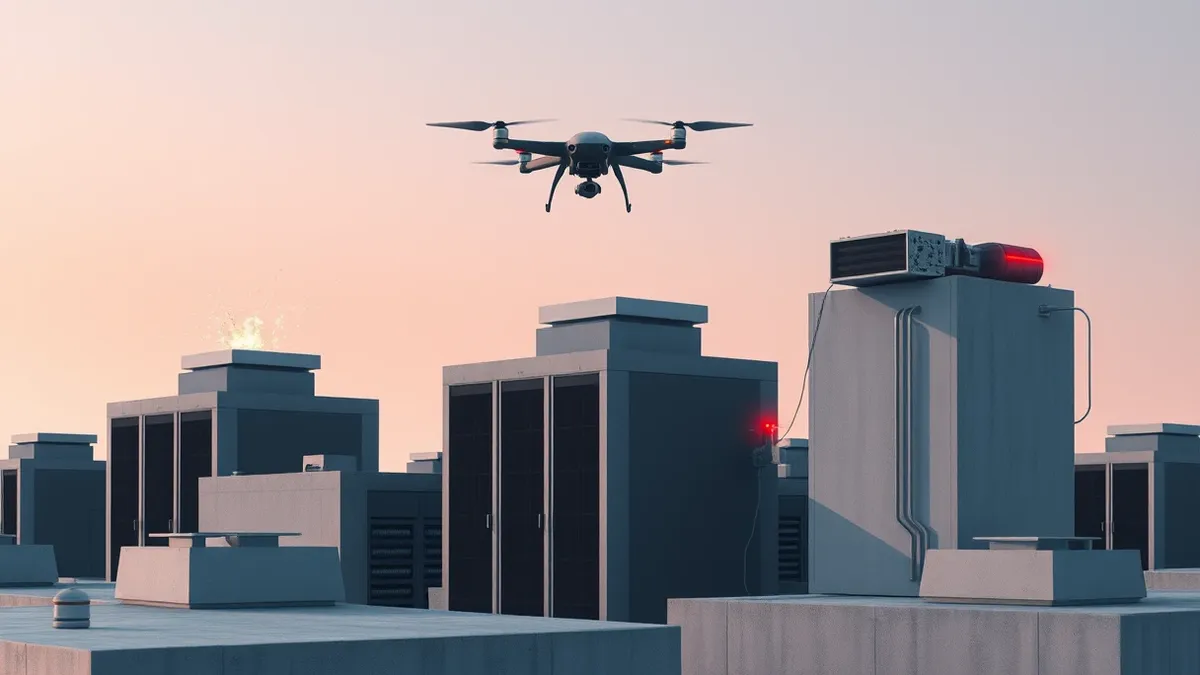
Ukrainian drones struck a third Yandex data center in the Vladimir region over the weekend, forcing a complete shutdown of the facility. This attack follows two previous strikes on Yandex sites in the Ryazan and Kaluga regions earlier in the week. The cumulative impact has pushed the technology giant into emergency operating mode, with significant disruptions to its cloud services and consumer platforms across Russia, according to The Record.
In plain English
Ukrainian drones targeted three of Yandex's six data centers in Russia over the past week. Two facilities were forced to shut down completely, while the third suffered infrastructure damage. The facility in Vladimir, hit overnight Sunday, houses Galushkin, one of the country’s most powerful supercomputers. The earlier strikes damaged infrastructure in Kaluga and caused a fire that forced the shutdown of the Sasovo site in Ryazan. Yandex states that the remaining infrastructure is unstable, causing widespread service interruptions for businesses and individuals relying on its servers.
The background
The first attack occurred overnight October 7-8 in Sasovo, sparking a fire that forced the company to shut down the facility. A second strike hit the Kaluga site on October 9, damaging part of its infrastructure. Yandex confirmed no employees were injured in the Kaluga incident. The three targeted facilities combined hold approximately 115 megawatts of capacity. Yandex has not confirmed whether any of its supercomputers were permanently damaged in these incidents, leaving the full extent of the hardware loss unclear.
What changes now
Disruptions extend beyond Yandex’s own products to thousands of third-party businesses hosted on Yandex Cloud. Users reported issues with email, taxi bookings, food delivery, and payments via Yandex Pay. The Alice voice assistant and smart home devices also failed in some households. More than a dozen other services, including retailers, internet providers, and the Russian segment of TikTok, experienced outages. The full scope of these service interruptions remains unknown as emergency responders work at the sites.
What to do and how to stay safe: Yandex
- Review your current cloud provider’s geographic distribution and physical security protocols to assess exposure to regional instability.
- Ensure your disaster recovery plans include failover capabilities to providers in different geopolitical zones or with redundant physical infrastructure.
- Monitor vendor status pages and official communications for updates on service stability and emergency operating procedures during infrastructure crises.
- Verify that critical business data is backed up to offline or geographically distinct storage systems to mitigate risks from localized physical damage.
General security guidance from the Vuln Post newsroom. It is not confirmed advice from the organisations named in this story.
Frequently asked questions
Which specific Yandex services are currently disrupted?
Yandex Cloud, Yandex Pay, email, taxi booking, food delivery, the Alice voice assistant, and smart home devices are affected, along with third-party services hosted on its infrastructure.
Were any people injured in the drone strikes?
Yandex stated that no employees were injured in the strike on the Kaluga data center, but did not provide injury details for the other sites.
How many of Yandex's supercomputers were damaged?
Yandex has not disclosed whether any of its supercomputers, including those in Sasovo and Vladimir, were damaged in the attacks.